From Grain to Glass: The Brewing Process Explained
Craft beer begins with careful attention to every ingredient and step, making the brewing process an art as well as a science. The brewing process transforms simple grains and hops into flavorful beer through precise timing and technique. Every batch is handled with care to ensure the final product delights the palate.
Understanding how beer is made can enhance your appreciation for every sip. Knowing the steps behind the brewing process highlights the dedication and craft involved. Whether you enjoy light ales or bold stouts, learning the process adds to the experience.
Curious About How Beer Is Made?
The brewing process turns grains and hops into delicious beer through several precise steps. From mashing to fermentation and conditioning, each stage influences the flavor. Understanding these steps helps beer lovers explore craft beer with confidence and enjoyment.
How Does the Brewing Process Turn Grain into Beer?
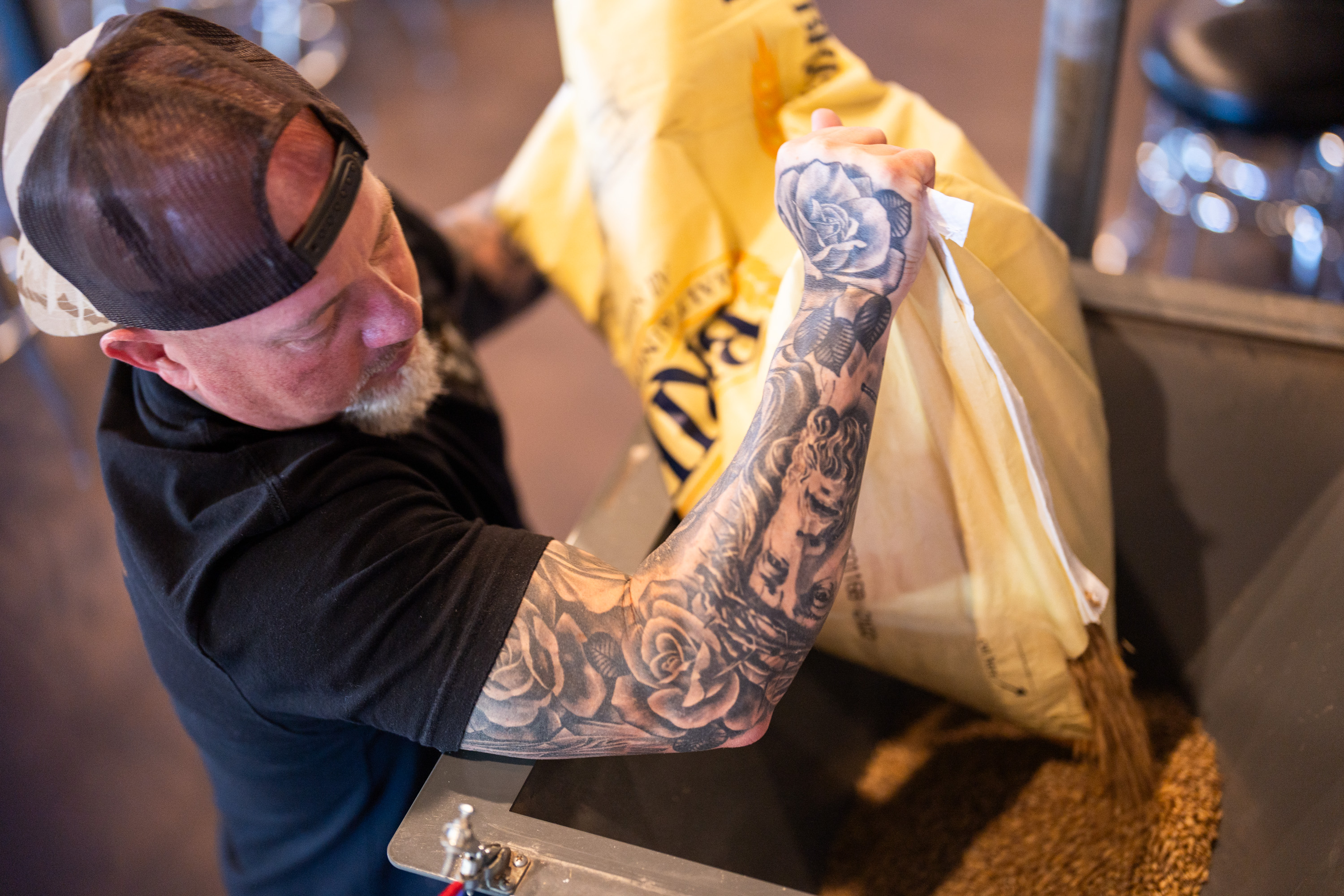
The brewing process starts with selecting high-quality grains and hops. Malted grains provide the sugars needed for fermentation, while hops add aroma and balance. Choosing the right ingredients shapes the flavor and character of the beer.
Grains are carefully inspected for quality and consistency before use. Hops are selected for bitterness, aroma, and preservative qualities. Water quality also affects the overall taste of the beer.

Each ingredient influences the final flavor and texture. Brewers often experiment with different grain and hop combinations. These choices allow unique beers that reflect creativity and tradition.
Attention to detail in ingredient selection ensures a strong foundation. The initial step sets the tone for all subsequent brewing stages. Without quality ingredients, the brewing process cannot produce excellent beer.
What Happens During the Brewing Process: Mashing and Boiling
Mashing converts the grains’ starches into fermentable sugars. This process produces a sweet liquid called wort. Boiling the wort extracts flavors, sterilizes it, and prepares it for fermentation.
Key steps in mashing and boiling include:
Heating grains and water to activate enzymes that release sugars.
Boiling the wort with hops for bitterness and aroma.
Skimming off foam to remove unwanted proteins.
Cooling the wort before adding yeast for fermentation.
Transferring carefully into fermentation tanks.
Mashing and boiling shape the beer’s core flavor. Precision during these stages ensures consistency between batches. Small adjustments can greatly affect aroma, bitterness, and mouthfeel.
Careful timing during boiling preserves desired flavors. Brewers monitor temperature and duration closely. Every decision impacts the quality of the finished beer.
How the Brewing Process Shapes Fermentation and Alcohol
Fermentation is the process by which yeast converts sugar into alcohol and carbon dioxide. This stage defines the alcohol content and many flavor components. Proper yeast management is essential for clean, consistent results.
Yeast type and temperature control determine aroma, texture, and overall character. Slow, steady fermentation promotes smooth, balanced flavors. Fast or uncontrolled fermentation can create off-flavors or inconsistencies.
During fermentation, carbonation naturally develops. Yeast activity produces subtle esters and compounds that enhance the beer’s profile. Monitoring this stage ensures every batch meets quality standards.
Patience is key to fermentation reaching completion. Brewers taste samples daily to track progress. The brewing process depends heavily on careful observation during this stage.
Why the Brewing Process Matters for Flavor Development
Conditioning allows beer flavors to mature fully and unwanted compounds to settle. This stage improves smoothness and drinkability. Carbonation levels adjust naturally during this process.
Conditioning steps often include:
Aging beer in tanks or barrels, depending on style.
Blending flavors for smoothness and consistency.
Dry hopping some batches for extra aroma.
Testing regularly for clarity, taste, and carbonation.
Adjusting conditions if flavors or textures are off balance.

Proper conditioning ensures the beer’s final taste is polished. Skipping this stage can result in harsh or flat flavors. Every beer style has a recommended conditioning period for best results.
Patience during conditioning enhances overall quality. Subtle flavor profiles develop as yeast and ingredients settle. This final refinement defines the beer’s signature characteristics.
How Understanding the Brewing Process Enhances Your Beer Experience
Learning about the brewing process deepens appreciation for each sip. It connects drinkers with the craftsmanship behind every beer. Understanding brewing can guide choices based on preferred flavor profiles.
Visiting breweries allows first-hand experience of the steps. Observing fermentation, conditioning, and tasting enhances enjoyment. Engaging with the brewing process creates a connection beyond just drinking.
Trying seasonal or experimental beers highlights the variety and creativity in brewing. Each style offers unique flavor combinations and aromas. Knowledge makes beer exploration more immersive and exciting.
Brewing is both an art and a science, with every step influencing taste. Recognizing these efforts adds value to every pint. Awareness of the process encourages curiosity and appreciation for craft beer.
Enjoying the Fruits of Craft
The brewing process combines science, patience, and artistry to create exceptional beer. From ingredient selection to final packaging, every step shapes flavor, aroma, and quality. Appreciating this process gives meaning to every sip you take.
At Wichita Falls Brewing Company, the brewing process is a labor of love, ensuring every pint tastes just right. Visit the taproom to see and taste the results firsthand. Bring friends or family and enjoy fresh, handcrafted beer, live music, and entertainment in a welcoming atmosphere!